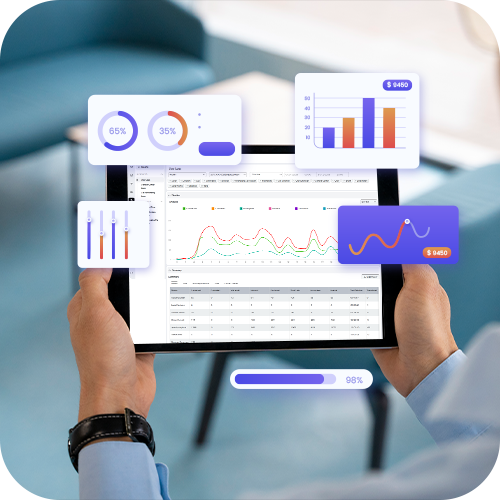
At Ringopus, we know the value of an effective user and device management for maintaining smooth operations and ensuring excellent security for your organization. Our platform is designed to allow users and device management easier. This process is used to compel and secure all users and devices integrated with an organization's network, covering all the data from start to end. It acts to manage user access, applying security policies, use updates and protecting data through features such as remote locking, data wiping, apps and data separation.
Consistent tracking devices are essential for ensuring data security and network integrity. Ringopus offers device management features that allow you to:
User and device management is a device management system that involves IT administrators of an organization to remotely configure, secure, and maintain customer and corporate-owned devices to ensure security, compliance, and smooth operation. This process is essential for protecting data and managing the increasing number of devices such as mobile phones, computers, and IT devices. Centralized User Management can Easily add, modify, or remove user access from your system, its functions are:
Assign roles, permissions, and access levels to users based on their work.
Allow to users or groups to ensure everyone has the right access.
It allows efficient onboarding or offboarding of many users. It saves time and reduces errors.
Track user activity with detailed logs to ensure approval and monitor possible safety related risks.
Ringopus integrates smoothly with your current business model, allowing it to scale and adapt as your organization grows. Whether you are using cloud platforms, on-premise hardware, or hybrid environments, our user and device management system work together to offer comprehensive control and security.
Administrators can offer commands, profiles, and settings to devices to enforce organizational policies.
Capabilities like requiring passwords, protecting data, and remotely removing a device if it is lost or stolen.
Tracking and managing all devices used within the organization to maintain an accurate inventory.
Defining actions performed by specific user accounts on devices and within the management system, such as restricting administrative access or device actions.
Offering software updates and managing the security of corporate content like documents and files.
Ensuring all devices link with organizational security and usage policies.
Improved security
Enhanced compliance
Increased efficiency
Centralized control
Simplify IT infrastructure
Provide productive user experince